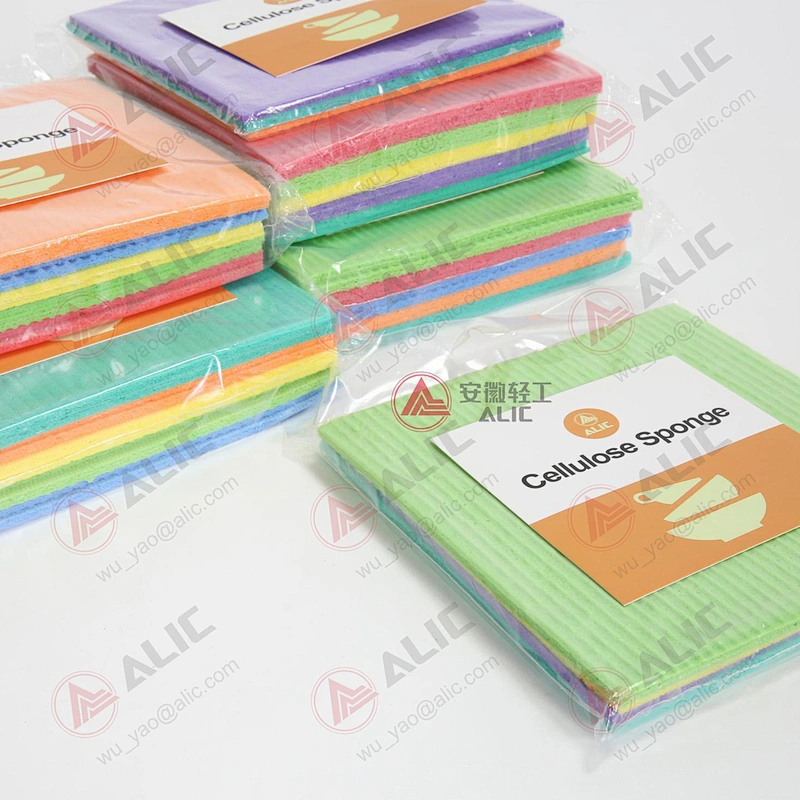
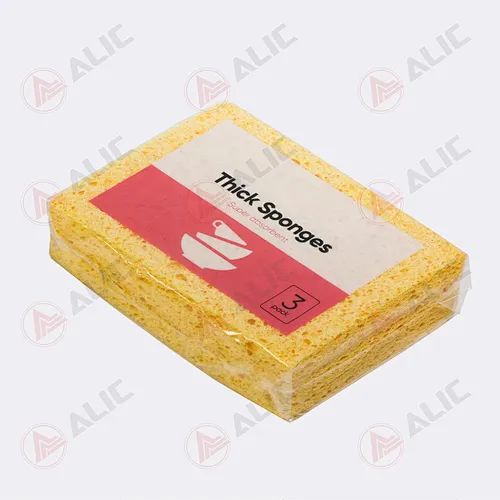
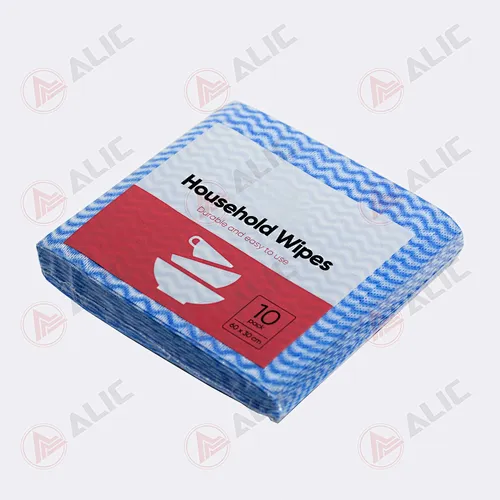
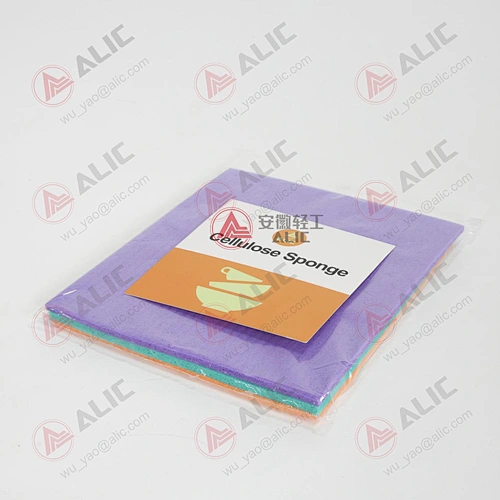
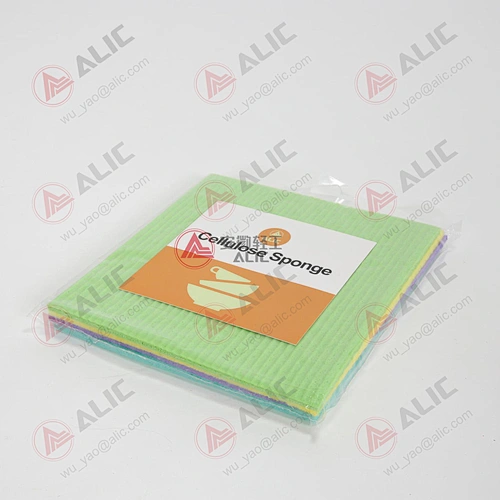
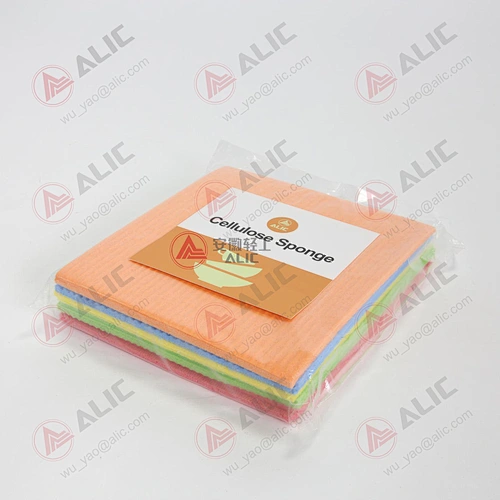
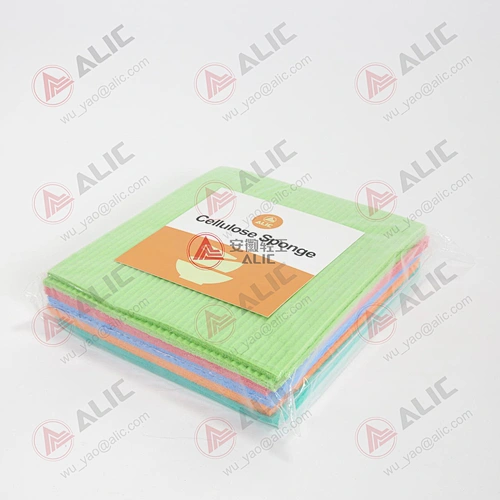
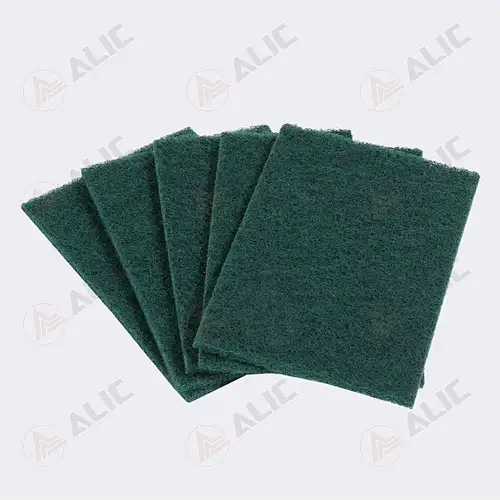
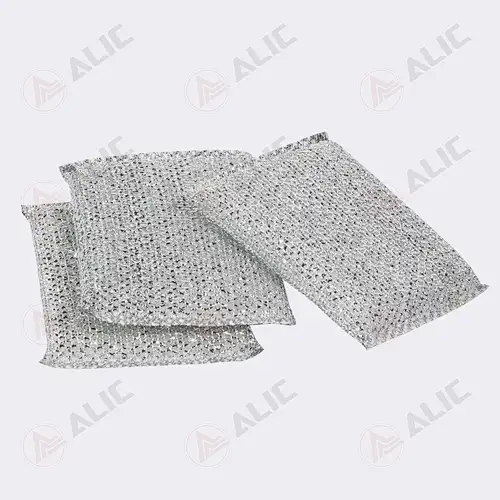
For household cleaning, the feature of cellulose is strong adsorption, strong detergency, degradable, and environmentally friendly.
[Application]
The color of earth-friendly Cellulose Cleaning Sponges can be customized.
[Service]
Alic is a giant and professional Cellulose Cleaning Sponge supplier and manufacturer in China.
Welcome to wholesale Cellulose Cleaning Sponge in bulk from Alic supplier and manufacturer in China.
Please contact us freely if you are in need.
[Specifications]
Model NO.: YHM-1901
Material: Cellulose
Size: 180*200mm
Packing: 10 pcs
Set/Ctn: 30
Dimension: 60*37*22cm
Additional Resources
Kitchen Sponge Safety THE DO’S AND DON’TS OF SPONGE SAFETY While a sponge is helpful for wiping up kitchen spills and absorbing liquid quickly, it can also absorb harmful foodborne pathogens along the way. Sponges are still a good kitchen tool, just keep these do’s and don’ts in mind. DO DO CLEAN SPONGES DAILY. Toss sponges in the dishwasher with a drying cycle, or microwave a damp sponge for one minute to kill 99 percent of bacteria, yeasts, and molds. DO REPLACE SPONGES FREQUENTLY. Even if you clean your kitchen sponge daily, remember to replace it frequently. If your sponge starts to smell at any time, toss it out immediately. DO STORE IN A DRY LOCATION. It’s important to not only wring out your sponge completely after each use and wash off any loose food or debris, but you should also store it in a dry location. DON’T DON’T WIPE UP MEAT JUICES. Cleaning up spills from ground beef or poultry with a sponge can increase your chances of spreading harmful food-borne pathogens. Instead, use a paper towel or disinfectant wipes to clean up meat juices. DON’T USE SPONGES ON COUNTERTOPS. Germs and bacteria can spread from the sponge to your countertop, so use a paper towel or disinfectant wipes to clean countertops instead. DON’T IGNORE DISHCLOTHS. While less porous than sponges, you should still launder dishcloths frequently as they can also harbor harmful bacteria. Remember to wash dishcloths in hot water and dry them on high heat in the dryer. All images from Kitchen Sponge Safety https://www.eatright.org › multimedia